Many visitors to Cape Town extend their trips in order to take advantage of the Cape Winelands, where the roads are practically paved with cabernet sauvignon. With wine-producing towns such as Stellenbosch and Franschhoek located about 45 minutes from the city, the majority of travellers tend to stick to the eastern part of the region. But a mere hour and a half of driving northeast reveals the charms of Tulbagh – a small town buried in olive groves and sweet-scented apricot orchards, with a host of working farms and excellent winery stops.
The trip: 100km from Cape Town. Drive on the N1 towards Paarl and take the Klapmuts/Wellington turnoff (R44), turning left. Shortly before reaching Wellington, make another left onto Hermon/Ceres, following R44. Stay on this road as it transforms into R46 through the Nuwekloof Pass. Follow signs to Tulbagh, leading you into the town.
How to do it: Car rental is the way to go.
When to go: It depends on what you want. The romance of nature in autumn and the blossoms of springtime provide breathtaking scenery, especially for hikers. True oenophiles opt for harvest season, which takes place beginning to mid-January, while February offers the warmest weather and least rainfall. ‘Cellar season’ in the winter allows for less-crowded tasting rooms.

We love
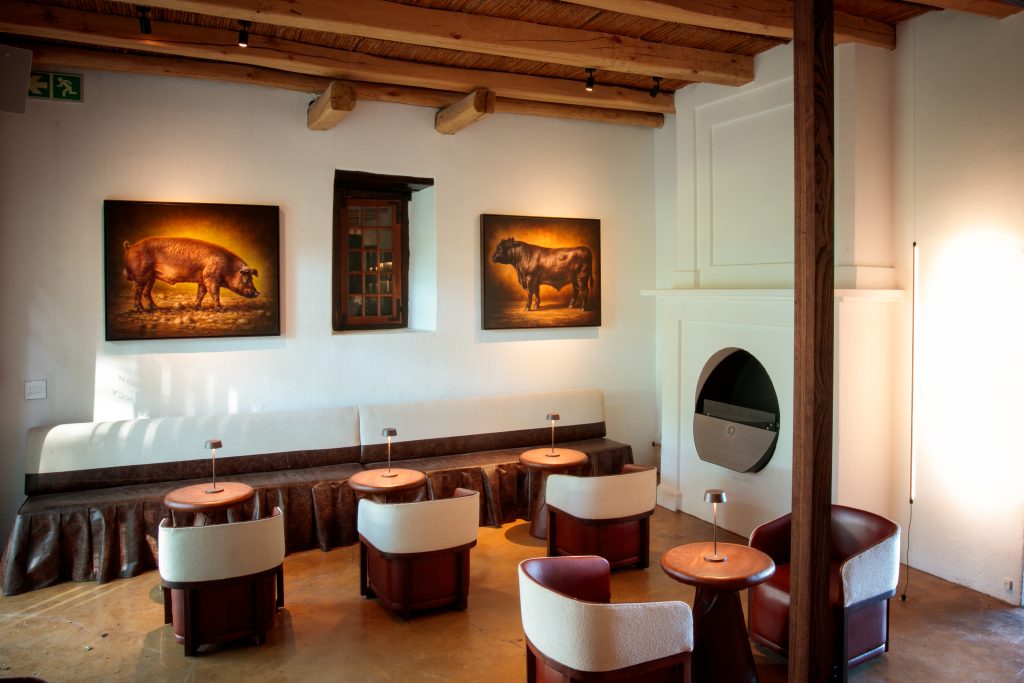
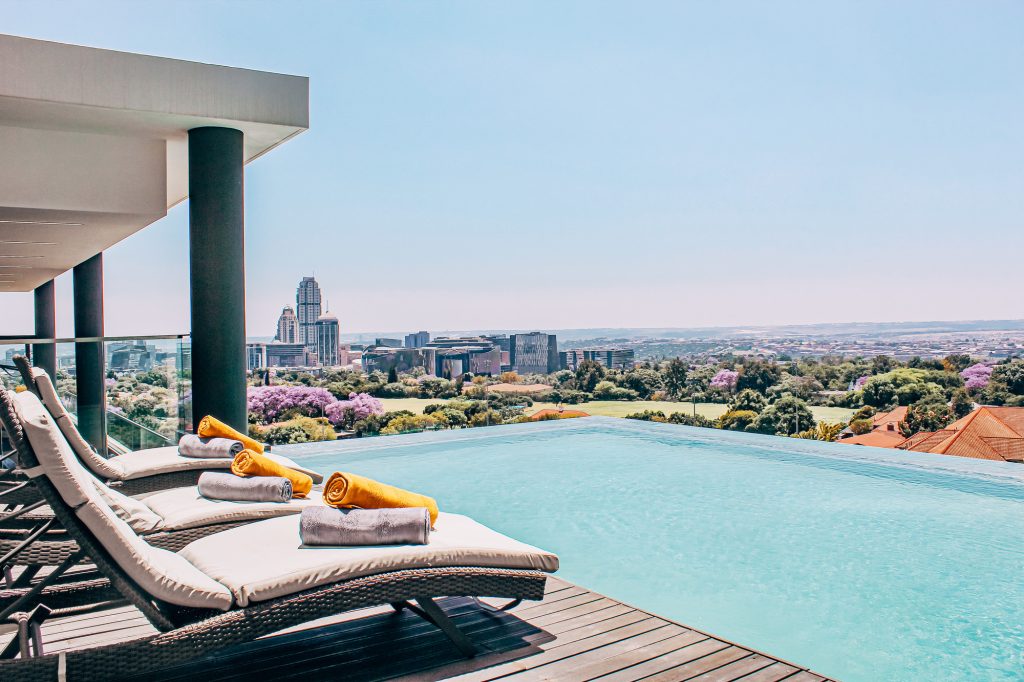
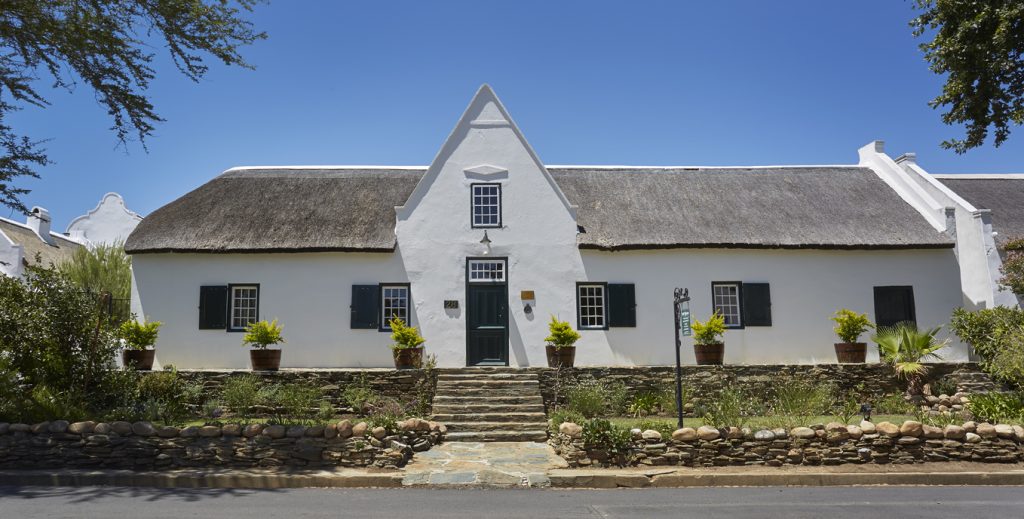
Tulbagh is a sleepy little town cradled by the dramatic peaks of the Obiqua Mountains to the west, the Winterhoek Mountains to the north and the Witzenberg Mountains to the east. Utterly unspoiled, with vineyards and silver-leaved olive groves in every direction. Book The Tulbagh Hotel for a walking-distance stay from Tulbagh village and some of the prettiest views to boot. Everything about the surroundings is authentic – it almost feels like a bonus when the comfort levels and service standards are so impressive. The old Cape Dutch architecture that’s been oh-so-carefully restored has kept its original bones with sloping lines, exposed timber ceilings and terracotta tile flooring. Inside, it’s a riot of antiquarian exuberance – a dense layering of textures and influences. There’s a playful interplay between zestier elements and the almost-intimidating dark wood furniture. The Tulbagh Hotel is all about unwinding – whether fireside in The Olive Terrace Bistro or in rooms from the subtle modernism of Protea Rooms to the Heritage Fynbos Rooms’ historic charms. The overall impression, despite its five-star service and impeccable rooms, is that this feels genuinely private. Tulbagh’s attractions are on the doorstep, but the pièce de résistance is the turquoise pool for languid days drifting into evenings. Stay in for a lazy afternoon gazing at the rugged mountains with a glass of something local from The Karee Wine Bar – a taste of Tulbagh terroir in spirits, beer and wine. It’s tempting to lose a day, or a week, in this idyllic spot. Everything here is warm, personal and inviting.

Bed & bath
The rooms themselves are wonderfully considered. The Heritage Collection – featuring the Honeymoon Suite, Obiqua Suite, Heritage Protea Rooms and cutesy little Heritage Fynbos Rooms – is housed in a sprawl of restored and converted buildings, all just across the street from the main hotel. Eyes are immediately drawn to the pink bougainvillea vines shading the ubiquitous whitewashed walls. It all feels effortlessly curated – think Cape Dutch heritage traditions, warm-hued furnishings, handpicked fabrics and piles of magazines – along with plenty of modern extras, including plump beds and walk-in showers. Tons of pillows, perfect cotton sheets … it’s dreamy. If you’re in a suite during one of Tulbagh’s cold snaps, you can warm up by the fireplace. Our Freesia Heritage Fynbos Room (the front-of-house manager’s personal favourite) was big, awash in sun and earth tones, with ample storage and nooks for sitting. Every detail is chosen with care – the mirrors, the lighting, the mini fridge that’s replenished daily and the fluffy robes that await your return after a long day exploring the valley.

Dining options
The jewel in the hotel’s crown is The Olive Terrace Bistro, a sophisticated setting serving simple plates cooked to perfection. It centres on a terrace where breakfast, lunch and dinner are served beneath the perfumed shade of trees. Rise and shine and take advantage of breakfast (included in the room rate) before hitting the road. Among the offerings: A fresh, soul-hugging turmeric banana smoothie; smoked salmon and smashed avocado; a South African farmhouse breakfast; and strong coffee. If you fancy eggs, the staff is especially proud of the Winterhoek omelette filled with feta, caramelised onion and sundried tomato – with good reason. Dinner is a seasonal modern menu. Start with the prawn cocktail – prawns tossed in a pink Marie Rose sauce on a bed of crisp lettuce. Your hardest choice will be which stunningly fresh fish you’d like for your main. Perhaps yellowtail with herbed orzo, feta, mint, peas and lemon caper dressing? Or crispy beer-battered hake, its flesh flaky and sweet, served with thick-cut potato chips and lemon aioli. The Mexican chicken schnitzel and gourmet beef burger also make perfect sense.

Drink up
As hard as it is to leave the pastoral charms of The Tulbagh Hotel behind, more natural beauty lies ahead. Once you have your breakfast fix, it’s wine time. The beautiful Tulbagh Valley, in the folds of the mountains, is a successful wine region with a dozen or so small vineyards – the most famous being Saronsberg Cellar. Shiraz is their prized grape, but their wine portfolio includes 17 cultivars. Besides cultivating its expansive vineyards, Saronsberg has been making olive oil since 2009. Visitors will also find exhibitions of contemporary art from local emerging and established creatives. Passing through sunflower fields, the 300-year-old Twee Jonge Gezellen Estate – home to the renowned Krone Cap Classique – is the largest producer of MCC in South Africa. Montpellier de Tulbagh’s lush and diverse landscape rustles up refreshing wines such as chenin blanc and chardonnay. If you only have time for one big lunch, make it Rijk’s Wine Estate. Daily tastings are accompanied by cheese and charcuterie boards. Perhaps lesser known than the others, Lemberg Wine Estate’s unfiltered natural wines are equally outstanding.
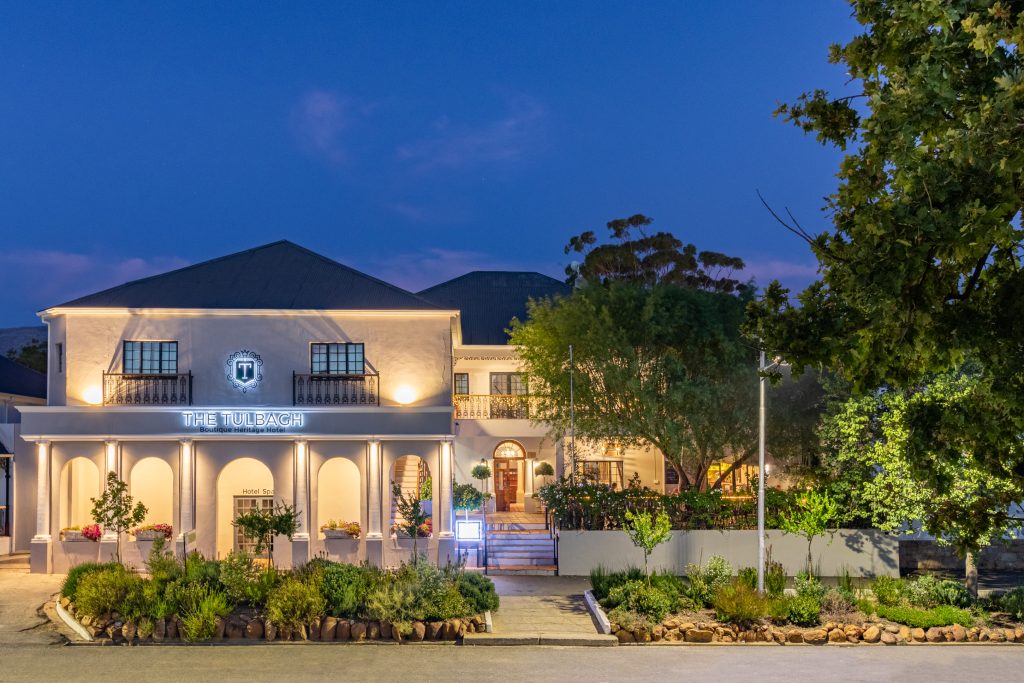
22 Van der Stel Street, Tulbagh
023 230 0071